Adhering to each country’s health, tax, and regulatory requirements is key to avoiding delivery setbacks for the equipment.
Moving medical devices across borders represents far more than coordinating an international shipment. Each market enforces its own health regulations, technical standards, and legal requirements—and without full compliance, operations come to a halt. For this reason, many companies in the sector rely on an Importer of Record (IOR) and Exporter of Record (EOR) to support their operations. These roles are key in allowing products to cross borders without delays or penalties.
Medical devices are among the most heavily regulated categories in global trade. This is due to a combination of factors: their direct application to patients, the need for traceability, their impact on public health, and the strict requirements imposed by each country’s health authorities.
For example, an insulin pump, a pacemaker, or a vital signs monitor cannot be moved across borders unless properly registered, authorized, and accompanied by the required technical documentation. And all of this must be in order both when exiting the country of origin and upon entry into the destination country.
Regulatory Expertise Applied to Healthcare
An added complication arises when the manufacturer or distributor lacks a legal entity in the destination country. Without a local tax ID, importing is not an option. Without an office in the country of origin, exporting becomes equally unfeasible. This is where a provider like Aerodoc steps in, taking on that legal and operational role through its IOR/EOR services.
Aerodoc serves as the legal representative of the cargo before customs and health authorities. Whether the shipment is headed to Latin America, Europe, or Asia, Aerodoc manages equipment registration, certification submissions, tax payments, and compliance across the board. The same applies in reverse: when an EOR is needed to export the cargo from its origin country without setbacks.

In addition to a deep understanding of international health regulations, Aerodoc brings hands-on experience in regulated logistics, which makes a clear difference when dealing with sensitive and highly controlled items. For instance, Aerodoc has already supported telecommunications companies in distributing routers and servers across more than 40 countries. That same level of expertise applies to the medical device sector.
The difference lies in the much stricter regulatory standards in healthcare. Beyond technical and tax clearances, additional compliance layers come into play, including batch-level traceability, safety certifications, and specialized handling. A mislabeling issue or an incomplete form can halt an entire shipment. And when that happens, the consequences escalate quickly: customs hold the cargo, timelines are pushed back, and penalties may be imposed for regulatory breaches.
Comprehensive Logistics Solutions for Sensitive Equipment
Aerodoc mitigates these risks through a comprehensive approach. Beyond serving as the legal IOR/EOR, it offers warehousing and fulfillment services tailored to the medical sector. This includes storing devices in strategic hubs, maintaining compliant inventory, and ensuring each shipment meets the required safety, hygiene, and temperature standards. It also enables tracking by serial number or batch, which is crucial for critical-use items.
For example, a US-based medtech startup looking to sell in Brazil, Colombia, or Singapore can find the scenario especially challenging. Without a local entity, its devices must be registered with the health authority in each country. It also needs a trusted party to take legal and regulatory responsibility before customs and oversight bodies.
Aerodoc takes on that role, serving as the IOR in the destination country, managing product registration, covering duties, ensuring legal entry, and delivering the cargo to the end customer.
Aerodoc Services for the Medical Device Sector
Behind every international shipment managed by Aerodoc is a combination of logistical and regulatory planning that goes well beyond customs clearance. The company provides an end-to-end support structure, covering everything from technical document validation to coordination with local agents and health authorities at destination.
This level of support is particularly valuable in regions with complex regulatory frameworks, such as Latin America or Asia, where Aerodoc contributes both local expertise and the ability to address additional requirements or audits in real time.
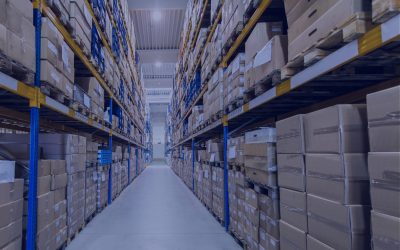
Aerodoc also offers logistics infrastructure aligned with healthcare standards. Its storage facilities are fully equipped and operate in accordance with protocols for traceability, security, and continuous monitoring. The company also manages order preparation and distribution in compliance with specific regulations, including multilingual labeling and pre-shipment validations required by certain countries.
Furthermore, thanks to its global network, Aerodoc can implement regional fulfillment models that reduce costs and delivery times. This allows companies to keep inventory close to their customers and respond quickly to surges in demand.
To learn more about Aerodoc’s services, contact our team of experts.
Q&A
- What documents are required for the importation of medical devices in Latin American countries? Required documents typically include certificates of conformity, sanitary licenses, detailed technical documentation, and registration with the local health authority (e.g., ANVISA in Brazil, INVIMA in Colombia).
- What logistical and fiscal costs should be considered when importing medical devices? Companies should account for customs duties, VAT, warehousing fees, IOR/EOR service charges, and costs associated with technical validations or health inspections.
- What legal risks do companies face when importing medical devices without a registered Importer of Record (IOR)? Non-compliance may lead to cargo seizure, fines, delayed clearances, and restrictions on market entry due to violations of customs and health regulations.
- How do regulatory requirements for medical devices differ between Brazil, Colombia, and Singapore? Each country enforces unique regulatory frameworks: Brazil requires ANVISA approval, Colombia mandates INVIMA registration, and Singapore operates under HSA guidelines, each with varying scope, documentation, and approval timelines.