Meeting customs requirements, selecting reliable partners, and managing inventory strategically are key to moving equipment across Latin America.
Importing into Latin America (LATAM) presents huge opportunities and complex challenges. Every LATAM country has its own import regulations, customs procedures, and infrastructure realities. Executives should take a broad regional view, recognizing, for example, that Brazil or Mexico have very different rules and market conditions than smaller markets like Costa Rica or Uruguay.
A business-oriented, strategic approach to logistics can turn these challenges into a competitive advantage. Key considerations include compliance with local laws, selecting the right on-the-ground partners, and optimizing supply chains to minimize costs and delays.
At Aerodoc, we have worked directly with technology-driven companies to deploy servers, networking equipment, telecom infrastructure, AV systems, and other high-value assets in complex LATAM markets. Below, we develop key logistics concepts and offer tips customized to tech companies looking to import efficiently into LATAM.
Importer of Record in LATAM
An importer of record—such as Aerodoc— is the entity legally responsible for ensuring that imported goods comply with all local laws and customs regulations. This means the importer of record handles filing import declarations, paying duties and taxes, obtaining any required licenses, and ensuring the import is completed properly. In practice, the importer of record is listed on official import documents and assumes liability for the shipment during customs clearance. According to international trade norms, the importer of record may be the owner of the goods, the purchaser, or a licensed customs broker acting on their behalf.

In Latin America, having a reliable service is especially important for foreign tech companies. Many LATAM countries require that the importer be a locally registered entity – only a company with a local presence (tax ID, legal registration) can serve as the IOR. For a tech firm without a subsidiary in the region, this poses a challenge. The solution is to use third-party IOR service providers. These providers act as your local representative, taking on the compliance burden so you don’t need to establish a legal entity in each country. They guarantee that your servers, networking gear, or AV equipment clear customs properly, managing all paperwork and payments.
Exporter of Record (EOR) in LATAM
An exporter of record—such as Aerodoc— is essentially the mirror image of the importer of record, but for exports. When shipping goods out of a country, the exporter of record is the entity responsible for complying with export regulations, obtaining export clearance, and filing the necessary export documentation. Just as the importer of record ensures a compliant import, the exporter of record makes sure that goods leaving the country meet all requirements. This can include confirming whether export licenses are required (for controlled technology), preparing export declarations, and ensuring any applicable duties or taxes (such as VAT refunds) are handled correctly.
In the LATAM context, you might need an EOR if, for example, you bring equipment into one country and later re-export it to another, or if you’re consolidating regional returns. If your company isn’t established locally, a third-party EOR service can step in to act as the exporter on record. This allows someone with a local presence to be accountable for the shipment during the export process. The EOR will manage customs clearance for export, adhere to any quotas or export permits, and make sure the goods can legally depart the country.
Warehousing in LATAM
Effective warehousing is a core element of a successful import strategy in Latin America. Warehousing includes storing your products in the region so that you can fulfill orders quickly and manage inventory closer to your customers. For tech hardware companies, warehousing is about positioning inventory strategically to meet demand and minimize delivery times. Latin America’s vast geography and sometimes lengthy import processes make local stock holding very valuable.
Companies often consider establishing a central warehouse or using third-party logistics (3PL) warehouses in key logistics hubs. For instance, Panama (with its Canal and Colon Free Zone) is a popular distribution hub for LATAM, allowing goods to be imported into a free trade zone, stored duty-free, and then dispatched across the continent. Similarly, larger markets like Brazil or Mexico might warrant their own in-country warehouses due to high demand and complex customs that make just-in-time cross-border shipping less feasible.
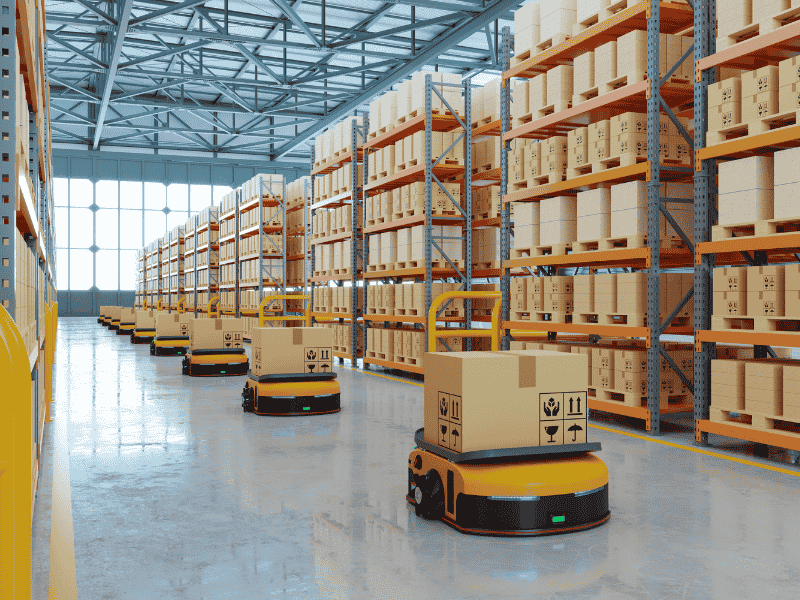
At Aerodoc, we provide warehousing solutions across Latin America, allowing companies to position inventory in key hubs closer to end customers. Our warehousing services are tightly integrated with our IOR/EOR and customs compliance capabilities, enabling compliant storage of goods after import and before final distribution, re-export, or deployment.
We deliver an end-to-end warehousing solution that integrates inbound handling, serialized inventory management, FIFO control, repackaging, picking and packing, and outbound dispatch. All operations are executed within SAP, with real-time visibility, full traceability, and strict adherence to customs and regulatory requirements.
Freight Forwarding Services in LATAM
Moving goods from one country to another in Latin America often requires the expertise of freight forwarding services. A freight forwarder, such as Aerodoc, is a company (or agent) that coordinates the shipment of goods on behalf of the shipper, managing logistics from origin to destination. They arrange transport via various modes – cargo ship, aircraft, truck, and rail – often using different modes in a single journey.
In LATAM, freight forwarders play a key role in dealing with regional transportation infrastructure and customs procedures. They can advise on the best routes and carriers: for example, whether to ship directly into a country or to a regional hub and then truck goods to final destinations. For tech companies, it’s beneficial to use forwarders who understand the handling of delicate electronics and who offer services like cargo insurance and white-glove delivery if needed.
Door-to-Door Services in LATAM
Many companies opt for door-to-door services when shipping to Latin America. “Door to door” means that the logistics provider manages the entire process from the shipper’s door (for example, your warehouse or factory) to the consignee’s door (the final delivery address in LATAM), addressing all steps in between. This typically includes pickup, international freight transport, customs clearance, and final local delivery to the customer’s site. Essentially, it’s an end-to-end solution. Many freight forwarders and global carriers offer door-to-door shipping options, which can simplify the process for the shipper: you have one point of contact and often one all-inclusive price.
Aerodoc provides door-to-door logistics, last-mile coordination, shipment traceability, and guaranteed delivery.
Temporary Importation Services in LATAM
Not all imports are permanent. Sometimes, companies need to bring equipment into a Latin American country temporarily – for example, to demo equipment at a trade show, to conduct a short-term project or pilot, or to provide services with tools that will leave again. Temporary importation services facilitate this by allowing goods to enter a country for a limited time without paying full import duties, provided the goods are exported again within the allowed period. This is extremely useful for expensive tech equipment which would incur high duties if imported permanently.
Many countries have specific regimes for temporary imports. Some participate in the ATA Carnet system – an international “passport for goods” that simplifies temporary imports for exhibits, professional equipment, among others, by avoiding duties and taxes. However, Latin America’s adoption of the ATA Carnet is limited. In those countries that do not recognize ATA Carnet, you must go through the regular temporary import process. Typically, this means working with a customs broker to declare the items under a temporary import provision, posting a bond or deposit equivalent to the duties/taxes that would be due. That deposit is refunded when you re-export the items within the permitted timeframe (which could range from a few months to a year, depending on local laws).
Contact us to discuss your LATAM strategy and discover how we can support your expansion, without the need for local entities, added risk, or operational uncertainty.
Q&A
- What are the key regulatory differences to consider when importing tech equipment into Brazil vs. Mexico?
Brazil imposes stricter licensing and higher import taxes, while Mexico offers more streamlined customs under trade agreements like USMCA. Understanding country-specific compliance is critical to avoid delays and penalties. - How can tech companies manage import costs when expanding into multiple LATAM markets simultaneously?
Utilizing centralized warehousing in free trade zones and leveraging a third-party importer of record can reduce overhead, consolidate operations, and minimize redundant tax exposure across LATAM jurisdictions. - What are the risks of not using a licensed importer of record when importing high-value equipment into LATAM?
Non-compliance can result in customs seizure, fines, and legal exposure. A qualified importer of record supports lawful clearance, proper tax payment, and adherence to import regulations for tech assets. - How does import logistics impact service level agreements (SLAs) in LATAM-based deployments?
Delays in customs clearance or poor inventory positioning can compromise SLA commitments. Proactive logistics planning, integrated with warehousing and last-mile delivery, safeguards performance metrics.